



Blog
Creating Cinematic AI Visuals for Holiday Visuals

Introduction
When a customer scrolls through Instagram in December, they are bombarded by “bright.” Bright red backgrounds, bright white ring lights, bright fake smiles. This brightness causes Retail Fatigue. The eye glazes over. You must embrace the Cinematic AI Visuals. Cinematic AI visuals are not about “clarity”; they are about “atmosphere.”
To capture attention in 2025, you must do the opposite. Cinematic AI visuals prioritize shadow over light, mood over product specs, and emotion over information. Think of the difference between a Walmart flyer (Information) and a Batman movie (Cinema). One tells you the price; the other makes you feel the cold rain.
This guide is for marketers who want to move beyond “generating images” and start “directing scenes.” We will deconstruct the physics of light, the geometry of composition, and the psychology of color to create cinematic holiday content AI that feels less like an ad and more like a frame from an Oscar-winning film.
The “Prompt Engineer” vs. The “Director of Photography”
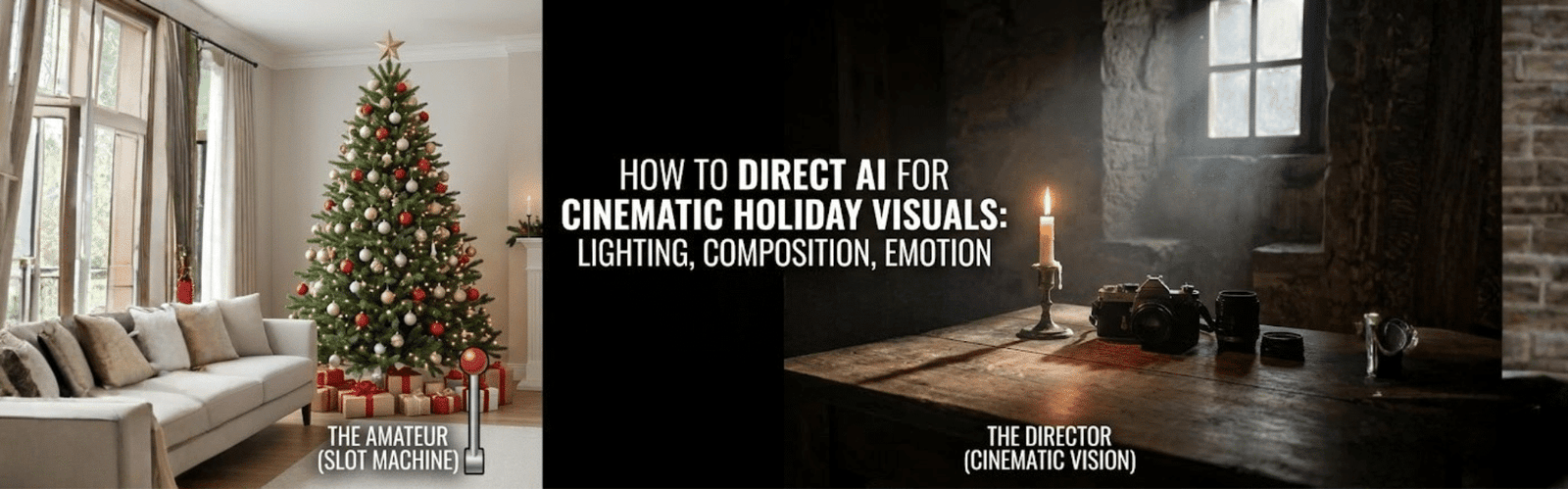
Most people use AI like a slot machine. They type “Christmas Tree” and hope for the best. A Director of Photography (DoP) uses AI like a camera crew. They control every photon of light in the scene.
The Mindset Shift:
- The Amateur: Asks for Objects (“A candle on a table”).
- The Director: Asks for Moments (“A candle struggling to stay lit in a drafty room, casting long dancing shadows on a distressed oak table”).
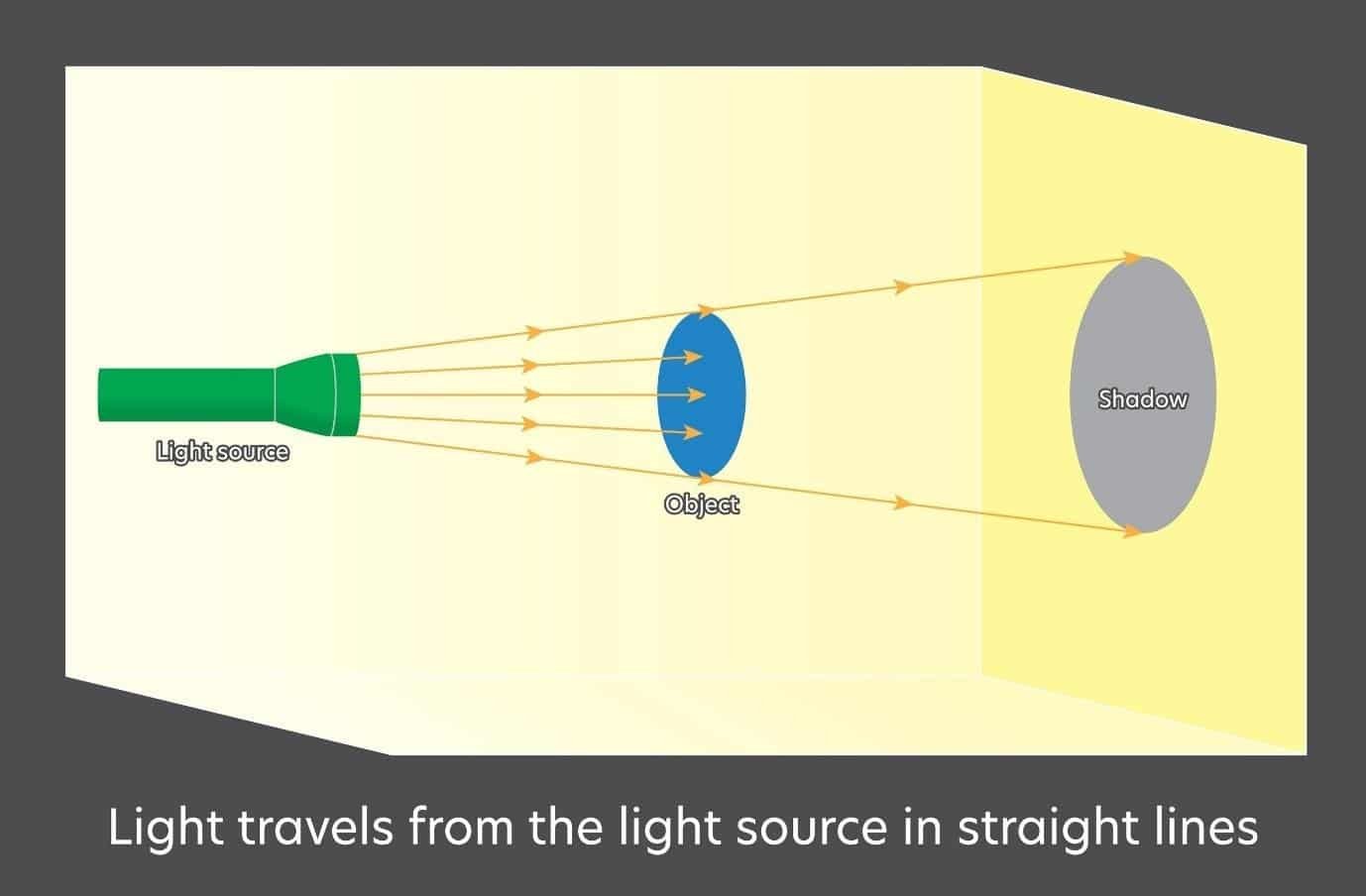
Festive creative direction principles require you to define the “World Physics” before you define the subject. If you don’t tell the AI where the light is coming from, it will default to “Global Illumination” (video game lighting), which looks fake. You must force it to render Motivated Lighting—light that comes from a specific source (a window, a fire, a neon sign).
Lighting Theory for Cinematic AI Visuals: The Physics of Emotion
Lighting is not just about visibility; it is about hierarchy. It tells the viewer what is important and what is dangerous. To master lighting cues for Christmas AI visuals, you need to understand the Three-Point Lighting system and how to break it.
Shutterstock
A. The “Chiaroscuro” Technique (The Drama)
Chiaroscuro is the Italian art term for “Light-Dark.” It is the extreme contrast between light and shadow.
- The Vibe: Intimate, expensive, serious.
- The Prompt: Chiaroscuro lighting, heavy shadows, single light source, silhouette, high contrast.
- Use Case: Luxury products, “Storytelling Kits,” premium whiskey or perfume.
B. Volumetric Lighting (The God Rays)
This is when light interacts with the atmosphere (dust, steam, fog). It adds “weight” to the air.
- The Vibe: Magical, nostalgic, ethereal.
- The Prompt: Volumetric lighting, god rays, shafts of light entering through a window, dust motes dancing in the light, hazy atmosphere.
- Use Case: Holiday morning scenes, cozy coffee shots.
C. Practical Lighting (The Diegetic Light)
“Practical” lights are light sources visible inside the shot (e.g., a lamp, a candle, fairy lights).
- The Vibe: Authentic, grounded, “Vlogger” style.
- The Prompt: Lit by the glow of a laptop screen, lit by a single candle, lit by streetlights reflecting on wet pavement.
- Use Case: The “Dev” aesthetic (late night working, hacking, creating).
Cinematic AI Visuals Composition: Breaking the “Center-Bias”
AI models have a “Center-Bias.” They want to put your product dead center. This looks like a passport photo.
Cinematic product marketing Christmas visuals use asymmetry to create visual tension.
The Rule of Thirds & Leading Lines
Don’t place the subject in the middle. Place it on the intersection of the thirds.
- The Prompt: Composition following rule of thirds. Subject in lower right quadrant. Negative space in upper left. Leading lines of the table pointing towards the product.
The “Dutch Angle” (The Unease)
A “Dutch Angle” is when the camera is tilted. It creates a sense of dynamism or disorientation.
- The Prompt: Slight Dutch angle, dynamic composition, off-kilter framing.
- Use Case: High-energy ads, “Last Minute Shopping” panic posts.
The “Dirty Foreground” (The Voyeur)
This is a classic cinema trick. You place an out-of-focus object in front of the lens to make the viewer feel like they are peeking into the scene.
- The Prompt: Shot through a window with rain droplets, out of focus leaves in foreground, depth of field, voyeuristic angle.
- Why it works: It adds depth layers (Foreground, Midground, Background), making the 2D image feel 3D.
The Lens & The Look: Cinematic AI Visual Technical Prompting
To get a cinematic look, you must speak the language of cameras. AI has been trained on metadata from Flickr and 500px, so it knows what “85mm” looks like.
Lens Choices
- 35mm (The Storyteller): The standard cinematic lens. Wide enough to show context, tight enough to show emotion.
- Prompt: Shot on 35mm lens.
- 85mm (The Portrait): Flattering, compresses the background, high bokeh.
- Prompt: Shot on 85mm portrait lens, f/1.8 aperture.
- 16mm (The Vlogger): Wide, slightly distorted edges, feels dynamic.
- Prompt: Shot on 16mm wide angle lens.
Film Stock Emulation
Digital creates perfection. Film creates feeling.
- Kodak Portra 400: Warm, fine grain, great skin tones. (Good for family/cozy).
- Cinestill 800T: Cool, creates “halos” around lights, great for night. (Good for “Mumbai Cyberpunk”).
- Ilford HP5: High contrast Black & White. (Good for “Noir” or “Art” shots).
- The Prompt: Shot on Kodak Portra 400 film, 35mm film grain, analog texture, slight chromatic aberration.
Atmosphere: Weather as a Narrative Device
How to create emotional visual scenes often comes down to the weather. Weather is an external manifestation of internal emotion.
The “Mumbai Monsoon” (Melancholy/Creativity)
- The Elements: Rain, wet concrete, reflections, grey skies.
- The Prompt: Heavy rain, condensation on glass, wet asphalt, reflections of neon lights in puddles, atmospheric fog.
- Emotion: Introspection, focus, “The Creator’s Cave.”
The “Winter Warmth” (Safety/Comfort)
- The Elements: Snow outside, fire inside.
- The Prompt: Blizzard seen through a window, frost on the glass, warm interior contrast, steam rising from mug.
- Emotion: Shelter, gratitude, hygge.
The “Morning Haze” (Hope/New Beginnings)
- The Elements: Mist, sunrise, soft light.
- The Prompt: Morning mist, dawn light, dew on surfaces, soft pastel colors.
- Emotion: Optimism, clarity, planning.
Color Grading: The “Teal & Orange” of Christmas
Hollywood loves “Teal and Orange” because they are complementary colors (skin tone is orange, shadows are teal). For Christmas, avoid the “Red and Green” trap. It looks cheap.
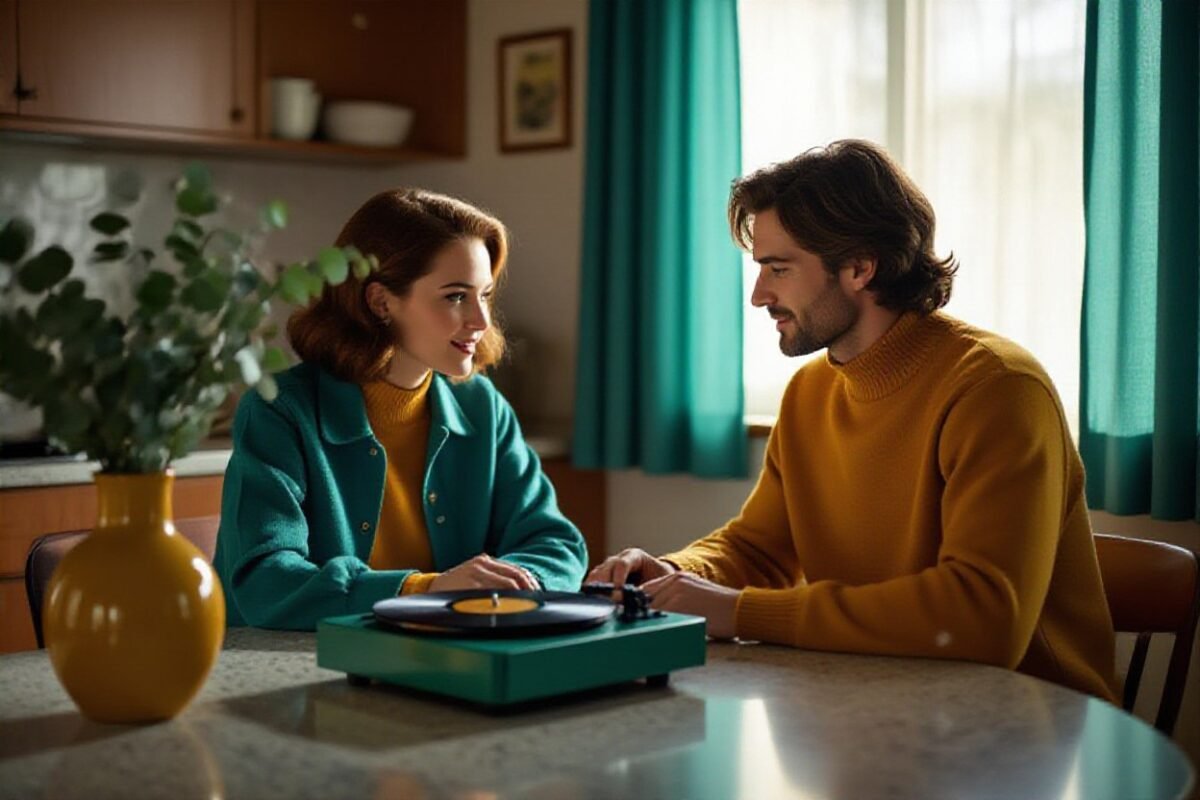
Palette A: The “Nostalgia” Grade
- Colors: Muted Gold, Olive Green, Faded Red.
- Prompt: Color palette: 1970s Kodachrome. Warm vintage tones. Desaturated greens. Faded blacks.
Palette B: The “Cyber-Holiday” Grade
- Colors: Cyan, Magenta, Deep Purple.
- Prompt: Color palette: Blade Runner 2049. Neon blue and pink lighting. Deep blacks. High saturation.
Palette C: The “Quiet Luxury” Grade
- Colors: Beige, Cream, Slate Grey, Charcoal.
- Prompt: Color palette: Monochromatic neutrals. Low saturation. Matte finish.
Tech Stack for Cinematic AI Visuals: From Midjourney to Lightroom
AI generates the raw material. You must refine it.
- Generation: Midjourney v6.1 or v7. Use –style raw to avoid the “cartoon” look.
- Upscaling: Magnific AI. Use the “Film Grain” preset to add realistic texture to the skin and surfaces.
- Color Grading:Adobe Lightroom.
- Action: Apply a “S-Curve” to the tone map (lift the blacks, crush the whites) to make it look like printed film.
- Action: Add “Grain” (+20) to mask the AI smoothness.
Troubleshooting: The “Plastic Skin” Problem
The biggest giveaway of AI art is “Plastic Skin” (too smooth, too shiny). Cinematic visuals require texture.
The Fix:
- The Prompt: Add words like Skin texture, pores, imperfections, freckles, unpolished.
- The Negative Prompt: –no airbrush, smooth skin, plastic, makeup, doll.
- The Magnific Pass: When upscaling, increase “Details” and “Fractality.” This forces the AI to invent skin pores that weren’t in the original low-res image.
FAQ: Consistency & Style
Q1: How do I keep the lighting consistent across 10 images? A: Use the Style Reference (–sref) feature. Generate one image with the perfect lighting. Use its URL as a reference for all subsequent shots. This locks the “Physics” of your world.
Q2: Can I use real photos as lighting references? A: Yes. Find a movie still (e.g., from Blade Runner). Use it as an image prompt or style reference. Midjourney will copy the lighting ratios without copying the content.
Q3: What aspect ratio is best for “Cinematic” feeling? A: 2.39:1 (Anamorphic Widescreen). Even if you are posting on Instagram (Square), generate in Widescreen and then place it on a black background (Letterboxing). The black bars instantly signal “This is a movie.”
Conclusion: The Editor’s Eye
In the end, AI is just a lens. You can have the best lens in the world, but if you point it at a boring wall, you get a sharp image of a boring wall. To create cinematic holiday visuals, you must cultivate your “Editor’s Eye.” You must learn to look at an image and say, “Too bright. Too perfect. Too fake.”
You must be willing to add the shadows. You must be willing to add the rain. You must be willing to make it hard to see the product, so that the customer has to lean in. That leaning in? That is engagement. That is cinema.
Bonus: The “Director’s” Prompt Pack
1. The “Wong Kar-Wai” (Romantic/Moody)
Cinematic shot, motion blur. A couple walking under a red umbrella in a neon-lit alleyway at night. Heavy rain. The reflection of red neon on wet pavement. Dreamy atmosphere. Shot on 35mm film. –ar 2.39:1 –style raw
2. The “Wes Anderson” (Symmetrical/Quirky)
Symmetrical composition. A flat lay of a perfectly organized holiday suitcase. Pastel colors (Pink and Mint). Hard lighting, no shadows. Center framing. Whimsical. –ar 4:5
3. The “Blade Runner” (Sci-Fi/Tech)
Cyberpunk street market. Steam rising from food stalls. Holographic Christmas trees. A figure in a hoodie looking at a glowing device. Teal and Orange lighting. Rain. High contrast. –ar 16:9